


- A new law allows active military personnel to hold more civilian government roles, sparking concerns.
- Critics warn this move echoes Suharto’s era, undermining democracy and civilian control.
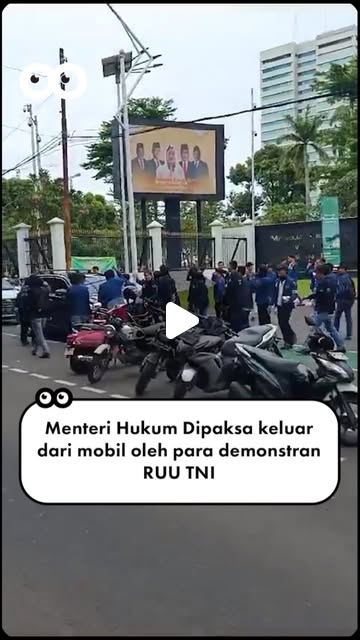
- Activists and students plan protests, calling the law a threat to human rights and political accountability.
Indonesia has passed a controversial military law allowing active armed forces personnel to hold a greater number of civilian government posts. The decision, rushed through parliament under President Prabowo Subianto who is an ex-general and Suharto’s former son-in-law.
This itself raises concerns of a creeping return to the military-dominated rule of the past.
While Law Minister Supratman Andi Agtas defended the law as necessary due to “domestic and geopolitical challenges,” critics see it as a deliberate reversal of Indonesia’s hard-fought democratic gains.
“The government’s rush to adopt these amendments undercuts its expressed commitment to human rights and accountability,” warned Andreas Harsono of Human Rights Watch
The law not only extends military retirement ages but expands the scope of civilian posts that officers can occupy, including the attorney general’s office and counterterrorism agency.
This unprecedented shift is spearheaded by Prabowo’s ruling coalition, reviving the memories of the New Order regime.
Though the Indonesian military enjoys high public trust, political analyst Kennedy Muslim cautioned that this shift “has the potential to erode it.”
Student groups have already announced protests, branding the law as “democracy-killing.”

Indonesia’s democracy was built on the ruins of Suharto’s authoritarian rule. With this law, the foundation of civilian supremacy is shaking.
Is this a calculated step toward military resurgence, or merely a pragmatic response to security concerns?
The answer will definitely shape Indonesia’s future.
Edited by Harshajit Sarmah


