


- Trump’s 25% tariffs on Canada met with Trudeau’s retaliatory measures.
- Both nations face inflation, job losses, and disrupted supply chains.
- U.S. alienates Canada while appeasing adversaries like Russia.
In yet another trade war fueled by bravado rather than strategy, U.S. President Donald Trump has fired a fresh shot at Canada, slapping 25% tariffs on Canadian imports.
Prime Minister Justin Trudeau wasted no time in responding, calling the move "a very dumb thing to do" and hitting back with equivalent tariffs on $30 billion worth of U.S. goods.
More tariffs - totaling an additional $125 billion - are reportedly in the pipeline.
The official justification from Trump’s camp?
A flimsy claim that Canada is failing to curb the flow of fentanyl into the U.S. - a statement Trudeau blasted as "completely bogus."
 Published [hour]:[minute] [AMPM] [timezone], [monthFull] [day], [year]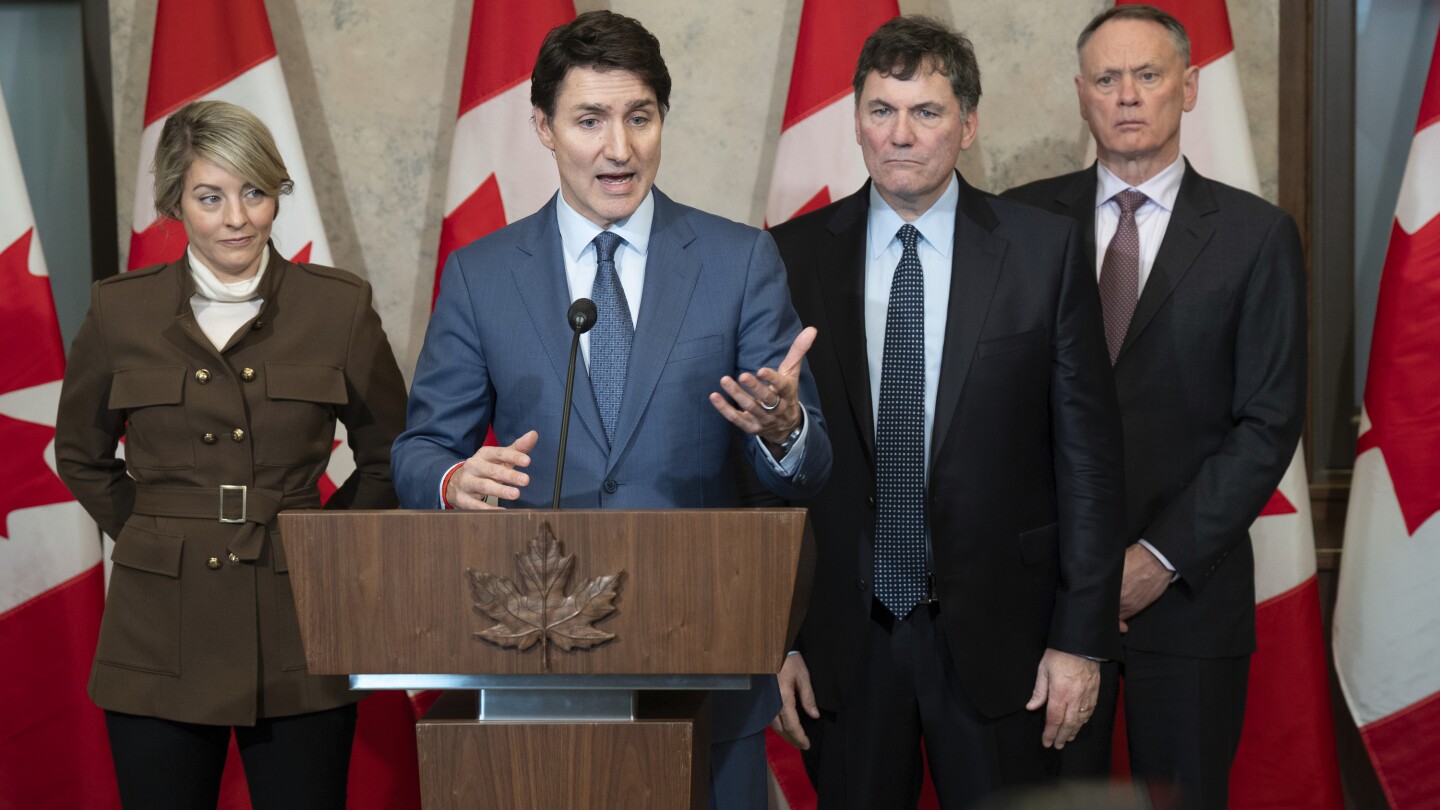
While the U.S. cozies up to adversarial leaders like Vladimir Putin, its closest ally is being treated like an economic punching bag.
The deeper concern here isn’t just the tariffs - it’s the unsettling message the U.S. is sending about who it values as a partner.
The economic fallout from this trade war will be severe. Canada, which relies on the U.S. for 75% of its exports, risks slipping into recession. Meanwhile, American businesses and consumers will feel the heat as prices climb.
The damage won’t be contained within either country’s borders; supply chains will suffer, inflation will rise, and eventually job losses are inevitable.
But beyond dollars and cents, this is a test of North America’s unity.
As Trudeau aptly put it, "Canada will never be the 51st state."
Edited by Harshajit Sarmah


