


- While claiming neutrality, China supports both Myanmar’s military and ethnic resistance groups to protect its economic interests.
- Beijing brokered a ceasefire in February 2025 to safeguard its $100 billion Belt and Road investments, despite a previous truce failing.
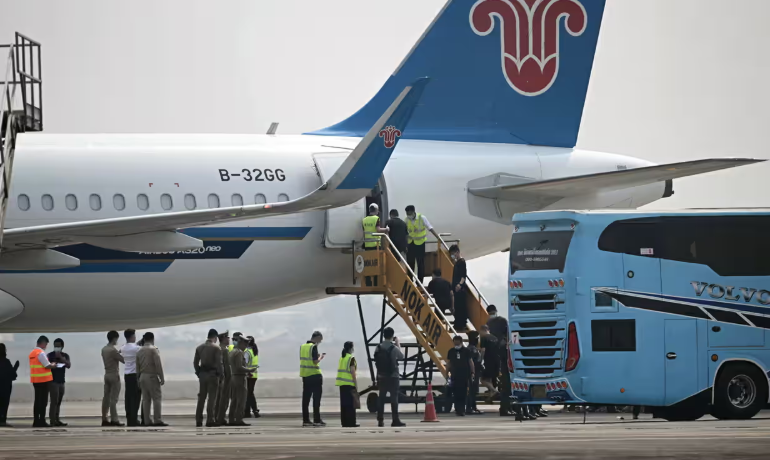
- China-linked syndicates run forced labor scam centers in Myanmar, prompting regional crackdowns and exposing Beijing’s indirect complicity.
China's proclaimed adherence to the "Five Principles of Peaceful Coexistence" - mutual respect for sovereignty, non-aggression, non-interference, equality, and peaceful coexistences; in stark contrast to its actions in Myanmar's ongoing civil war.
While Beijing publicly champions these ideals, its maneuvers in Myanmar reveal a strategic pursuit of self-interest under the guise of non-intervention.
Since the 2021 military coup, Myanmar has been engulfed in conflict, resulting in over 53,000 deaths and displacing approximately 3.5 million people. China, sharing a 1,323-mile border with Myanmar, has significant economic stakes, notably the China-Myanmar Economic Corridor—a Belt and Road Initiative project encompassing a deep-water port, oil and gas pipelines, and industrial zones.
The instability threatens these investments, prompting Beijing to adopt a more hands-on approach.
In February 2025, China brokered a ceasefire between Myanmar's military government and the Myanmar National Democratic Alliance Army (MNDAA), an ethnic rebel group.
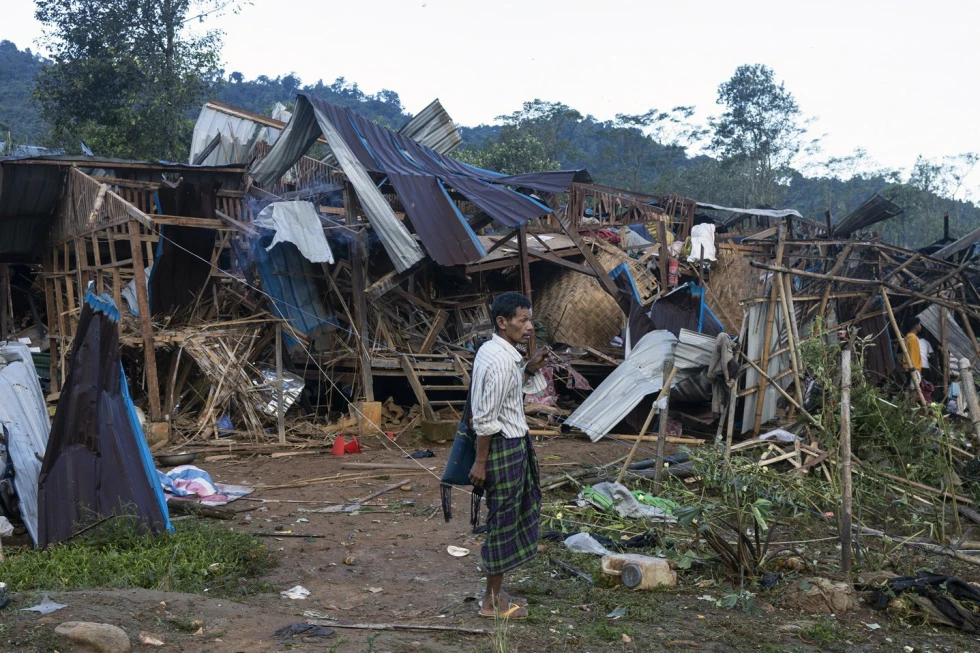
This agreement, effective from February 1, marks the second attempt after a previous ceasefire collapsed in January 2024. China's involvement shows its desire to stabilize the border region and safeguard its economic interests.
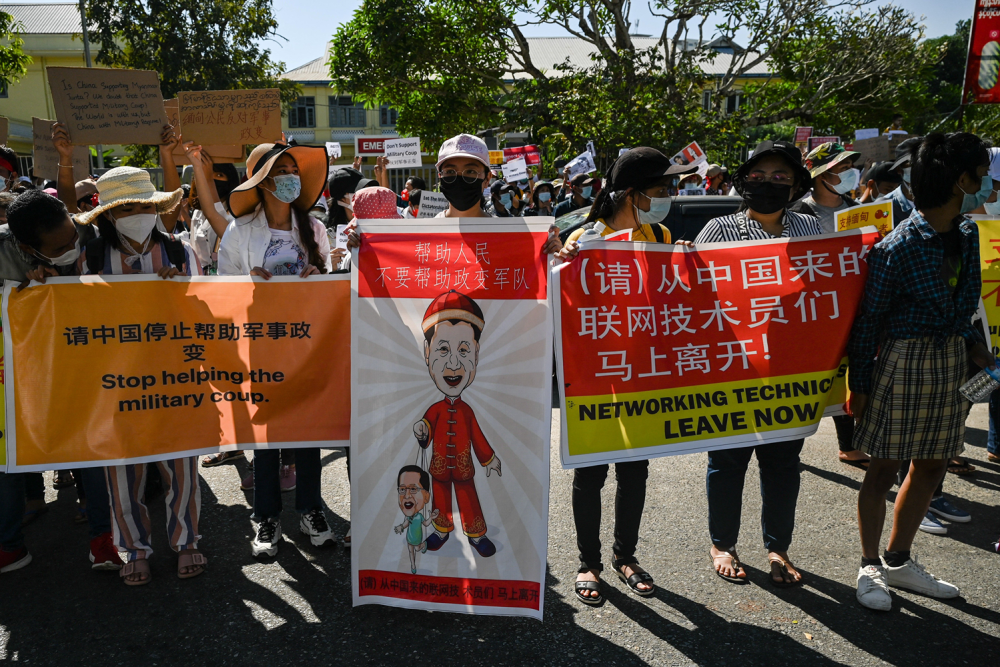
However, China's actions extend beyond mere diplomacy. These victims are trafficked under false pretenses and coerced into executing online scams, generating billions in revenue.
China’s selective interference exposes the gap between its proclaimed neutrality and strategic maneuvers. As it plays both sides, its commitment to peace remains questionable, prioritizing economic and political control over Myanmar’s long-term stability.
Edited by Harshajit Sarmah


